Featured Article

Afghanistan Midwifery Crisis

A data-driven analysis of maternal health, midwifery workforce, and the fragile pipeline sustaining care for millions of women.

Afghanistan's Midwifery Workforce:
Crisis, Collapse, and the Road to Recovery

Afghanistan has one of the world's highest maternal mortality rates. This report examines the state of the midwifery workforce — the primary safeguard for maternal survival — using national data to map gaps, inequities, and urgent policy priorities.

638
Maternal deaths per 100,000 live births — among the world's highest MMR rates
77%
Of deliveries occur without a skilled birth attendant in rural provinces
Urban–rural gap in access to trained midwives and maternal services
↓40%
Projected decline in midwifery workforce pipeline under current conditions
📄

Full Report — Dari Language

Afghanistan Midwives & Maternal Health · Complete data report with methodology

Download PDF →
Data Visualisations

Key Charts & Findings

Six visualisations drawn from national health data — click any chart to enlarge.
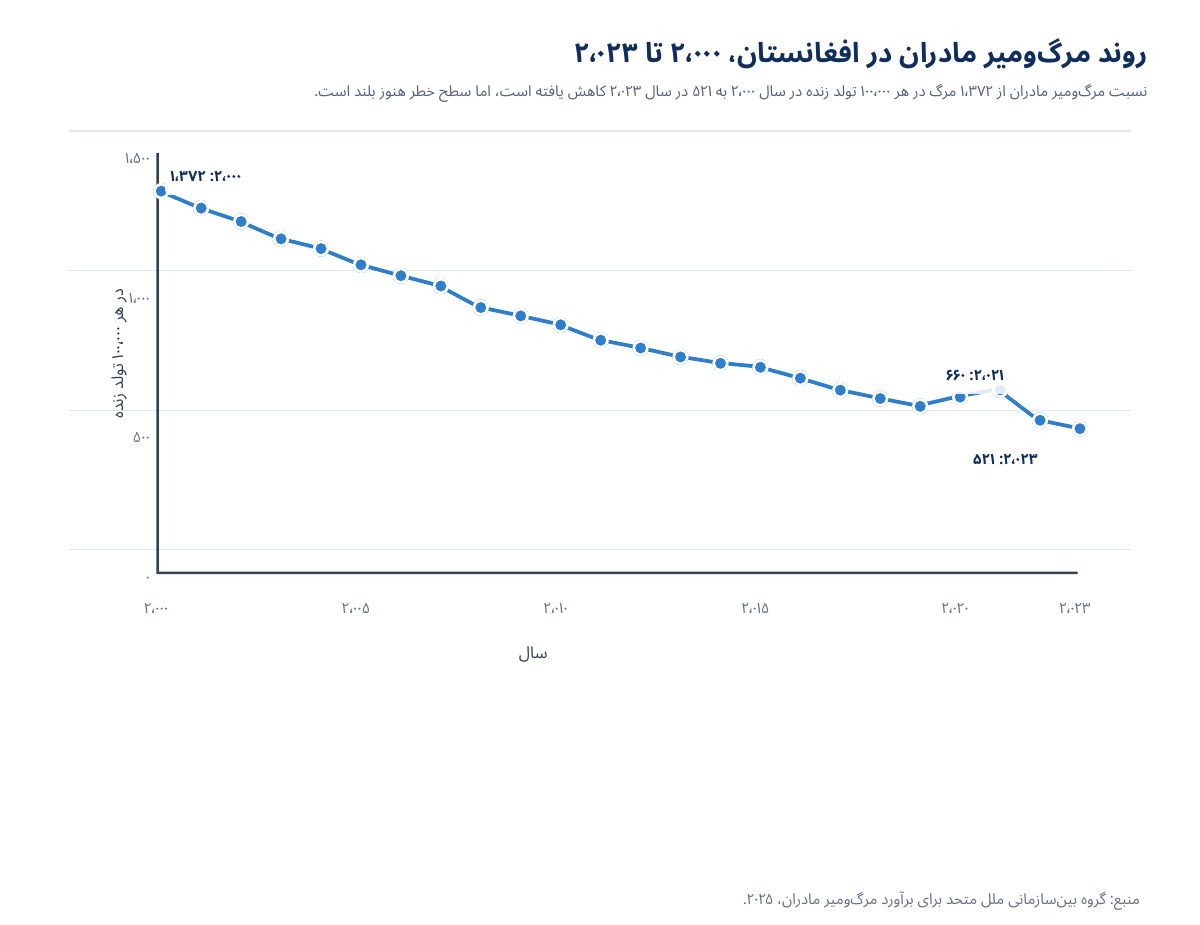
Maternal Mortality Rate Trend in Afghanistan
Chart 01
Maternal Mortality Rate — Historical Trend
Long-term trend in Afghanistan's maternal mortality rate showing progress and setbacks over two decades.
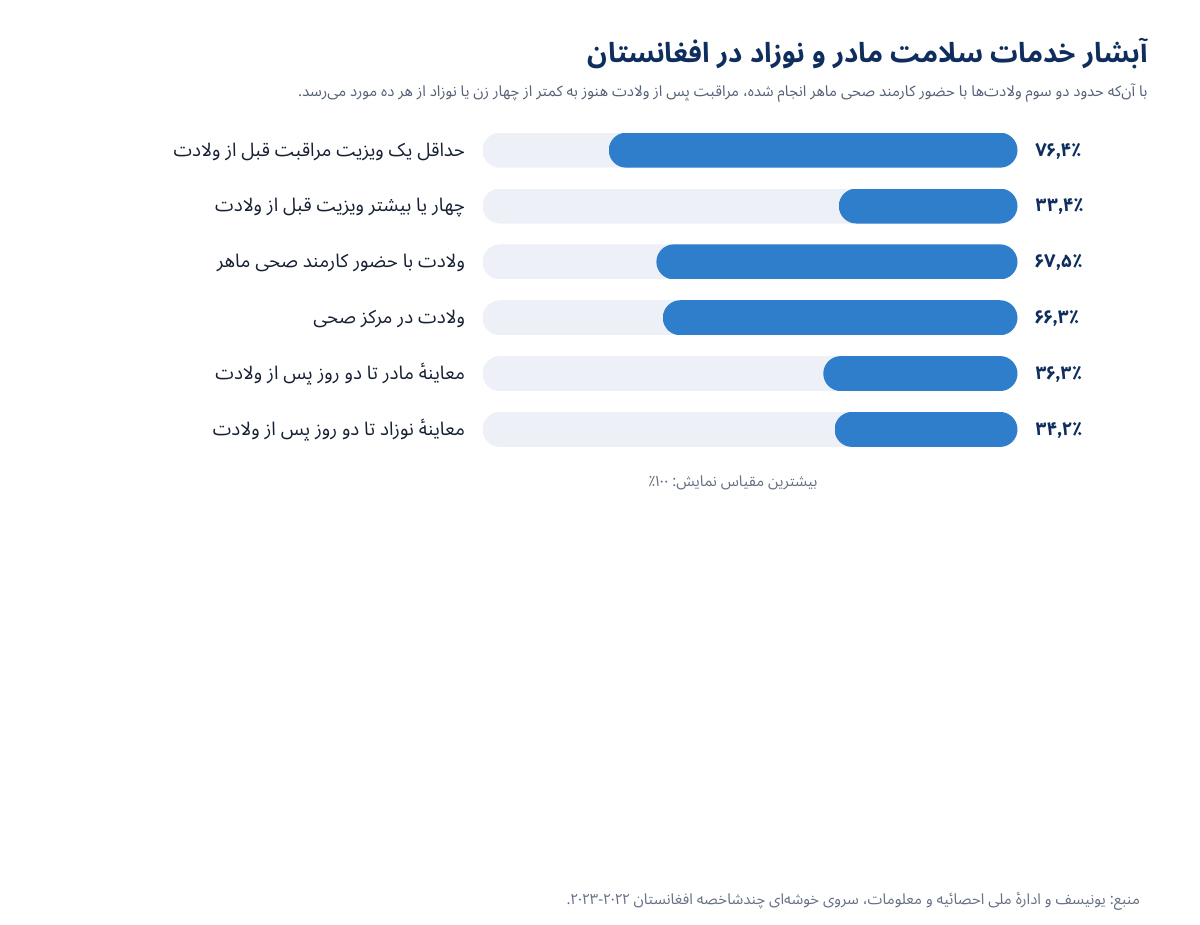
Maternal Health Service Cascade
Chart 02
Maternal Health Service Cascade
Step-by-step breakdown of women's access to antenatal, delivery, and postnatal care services.
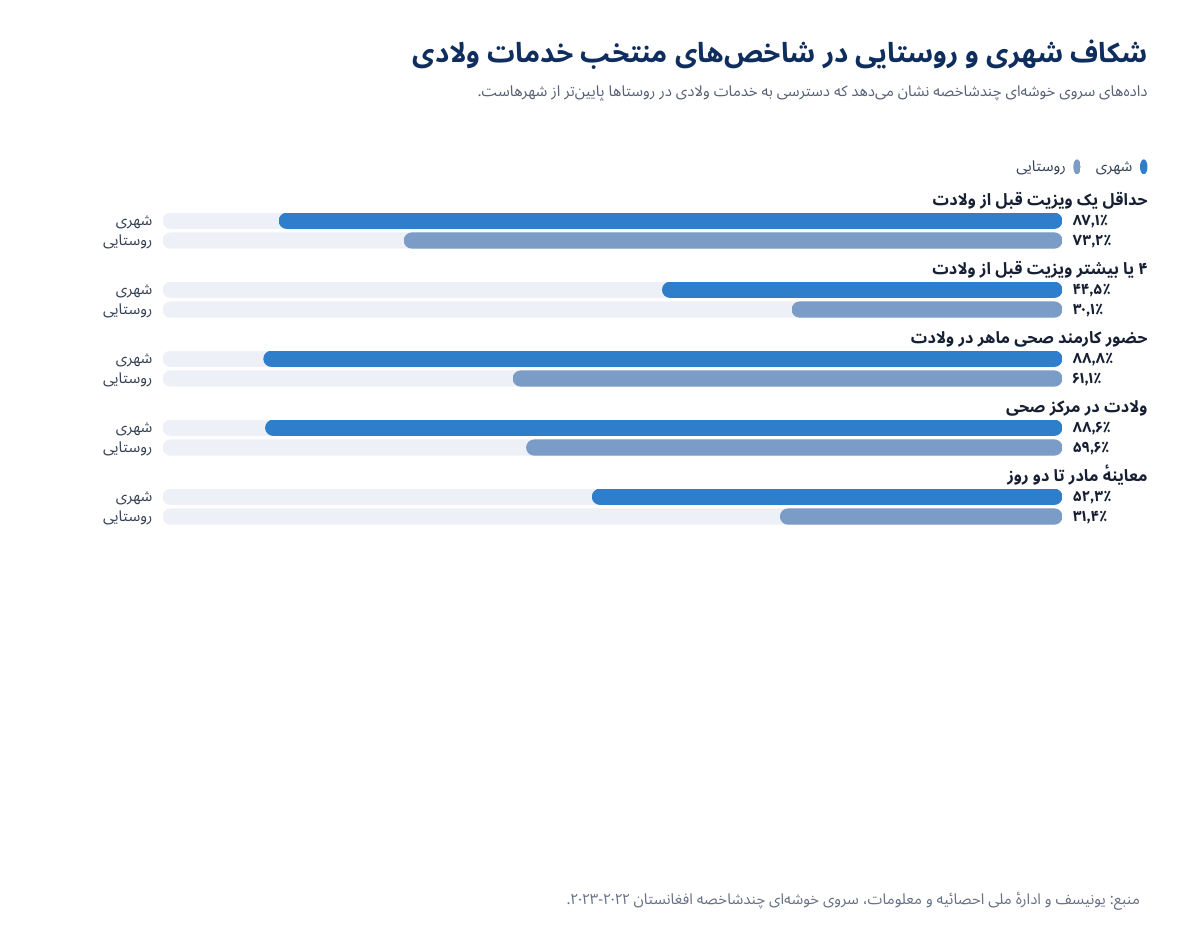
Urban vs Rural Access Gap
Chart 03
Urban–Rural Access Gap
Stark inequity in midwifery access and skilled birth attendance between urban centres and rural communities.
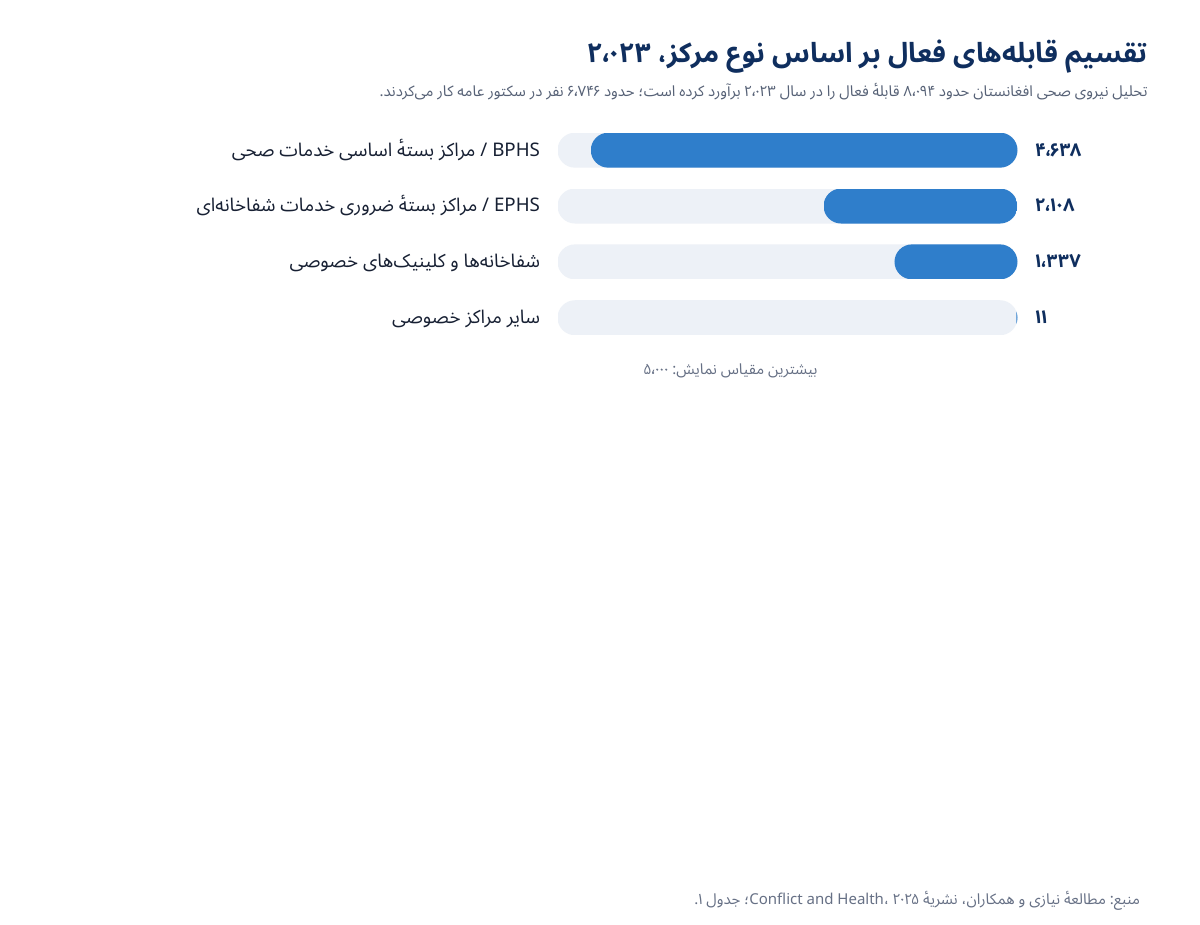
Midwives Distribution by Sector
Chart 04
Midwives Distribution by Sector
Breakdown of the midwifery workforce across public, NGO, and private health sectors.
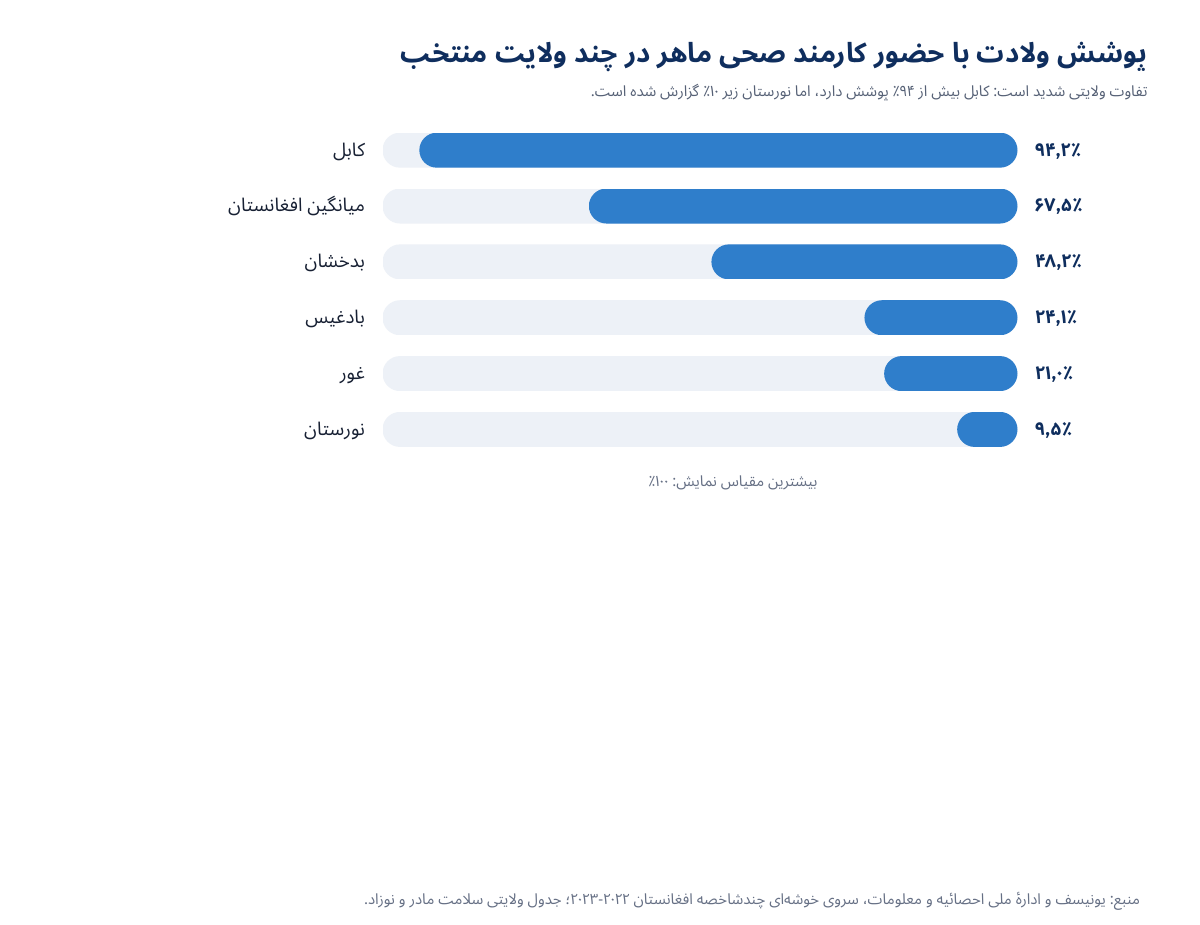
Skilled Birth Attendants by Province
Chart 05
Skilled Birth Attendants by Province
Provincial-level variation in skilled birth attendant coverage revealing geographic disparities across Afghanistan.
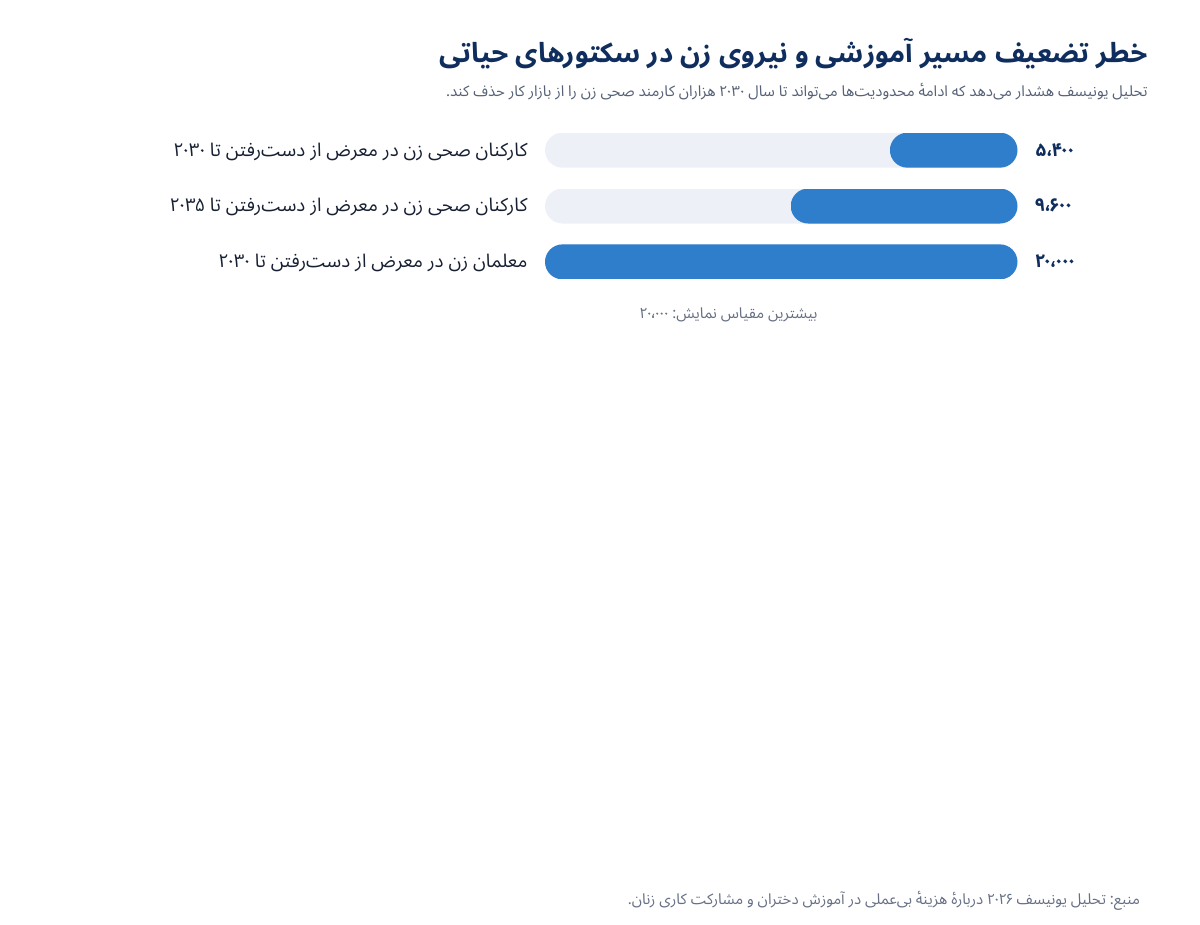
Midwifery Pipeline Risk Assessment
Chart 06
Midwifery Pipeline Risk Assessment
Projected workforce pipeline under current training, attrition, and policy conditions — a critical warning indicator.
Coming Soon

More Insights on the Way

Future posts will cover primary care transformation in Newfoundland, cannabis policy reform, refugee health, and health equity research from across Canada and globally.

Explore Research → Get in Touch
← Menu